Learn how to select the right heavy equipment for construction projects to improve efficiency and reduce costs.

Introduction
How to Choose Heavy Equipment for Construction Projects
Selecting the right heavy equipment is one of the most critical decisions in any construction or industrial project. The choice of machinery directly impacts productivity, safety, project timelines, and overall costs.
Using equipment that is either underpowered or unsuitable for the job can lead to delays, increased expenses, and operational inefficiencies. On the other hand, choosing the right equipment ensures smooth execution and optimal performance.
Understanding Your Project Requirements
Before selecting equipment, it is essential to clearly define the scope and requirements of your project.
Key Factors to Evaluate:
- Type of Work: Excavation, lifting, transport, or material handling
- Project Scale: Small, medium, or large-scale operations
- Duration: Short-term or long-term usage
- Load Capacity Needs: Weight and volume of materials
Understanding these factors helps in selecting equipment that aligns perfectly with your operational needs.
Analyzing Site Conditions
The working environment plays a crucial role in determining the type of equipment required.
Important Site Considerations:
- Terrain Type: Rocky, sandy, uneven, or urban surfaces
- Space Availability: Open areas vs confined job sites
- Accessibility: Ease of movement for large machinery
- Weather Conditions: Impact on equipment performance
For example, compact machines like skid-steer loaders (Bobcat) are ideal for tight spaces, while larger equipment such as excavators are better suited for extensive operations.
Choosing the Right Equipment Type
Different tasks require specialized machinery. Selecting the appropriate equipment ensures efficiency and precision.
Common Equipment & Their Uses:
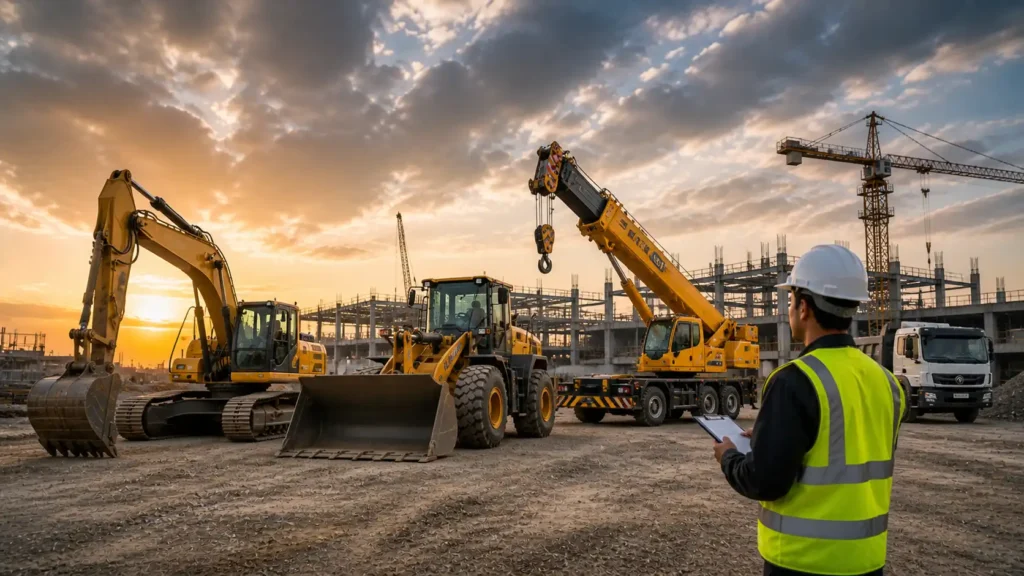
- Excavators: Digging, trenching, and earthmoving
- Wheel Loaders: Material loading and transport
- Cranes: Lifting heavy materials to height
- Backhoe Loaders: Multi-purpose excavation and loading
- Telehandlers: Lifting and placing materials at height
Using the right equipment for each task reduces effort, saves time, and improves overall productivity.
Conclusion
Selecting the right heavy equipment is a strategic decision that directly impacts the success of your project. By understanding your requirements, evaluating site conditions, and choosing the right provider, you can ensure efficient, safe, and cost-effective operations.
Tags:equipmentstransport